

What Our Customers Are Saying
hvac
-
18 Apr
 Read more »
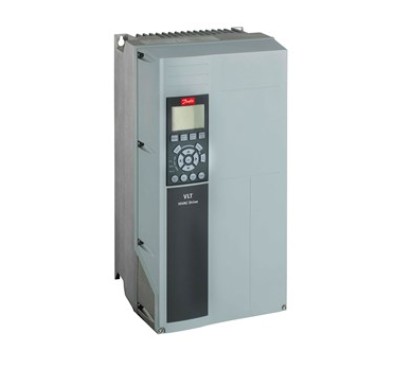
Top-Rated Inverters for Energy Efficiency
Understanding Inverters and Their Role in Energy Efficiency
Inverters play a crucial role in energy efficiency, particularly in HVAC systems. These devices convert direct current (DC) into alternating current (AC), allowing electrical systems to operate more efficiently. By optimising power usage and reducing energy wastage, inverters contribute to lower electricity bills and improved system longevity.
If you are considering upgrading your HVAC system, choosing the right inverter can make a significant difference in performance and cost savings. In this article, we will explore how inverters work, the benefits of HVAC inverters, and review some of the top-rated inverters on the market, including Danfoss inverters.
How Do Inverters Work?
Inverters regulate the speed of electric motors by controlling the frequency of the electrical power supplied. Unlike traditional systems that operate at a constant speed regardless of demand, inverters adjust
-
14 Mar
 Read more »
Essential Tips for HVAC Maintenance
Regular HVAC maintenance is key to keeping your heating, ventilation, and air conditioning system running efficiently all year round. A well-maintained HVAC system ensures optimal performance, reduces energy costs, and extends the lifespan of the equipment. Whether you’re a homeowner or a business owner, these HVAC tips will help you prevent unexpected breakdowns and costly HVAC repair.
What is HVAC?
Before diving into maintenance tips, it’s important to understand what is HVAC. HVAC stands for heating, ventilation, and air conditioning. This system regulates indoor temperature, humidity, and air quality, ensuring a comfortable and healthy environment. Proper maintenance is crucial for maximising efficiency and preventing costly repairs.
Essential HVAC Maintenance Tips
1. Change Air Filters Regularly
Air filters trap dust, pollen, and other airborne particles, preventing them from circulating in your home or workplace. Over time, filters become clogged,
-
7 Mar
 Read more »
Top Commercial HVAC Systems for Businesses
When it comes to maintaining a comfortable and productive environment, choosing the right commercial HVAC system is crucial for businesses. Efficient heating, ventilation, and air conditioning not only ensure optimal working conditions but also contribute to energy savings and reduced maintenance costs. In this guide, we explore the best commercial HVAC systems and their benefits.
What is HVAC?
HVAC stands for Heating, Ventilation, and Air Conditioning. It refers to the technology used to regulate indoor temperature, humidity, and air quality. Understanding HVAC meaning is essential for business owners looking to invest in a system that meets their operational needs.
Types of Commercial HVAC Systems
1.Single-Split System
- Ideal for small businesses, shops, and offices.
- Cost-effective and easy to install.
- Provides independent temperature control for each room.
2. Multi-Split System
- Similar to single-split but connects multiple indoor units to one
-
20 Dec
 Read more »
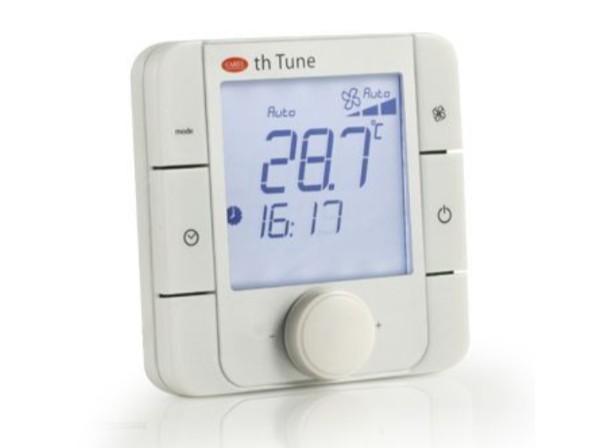
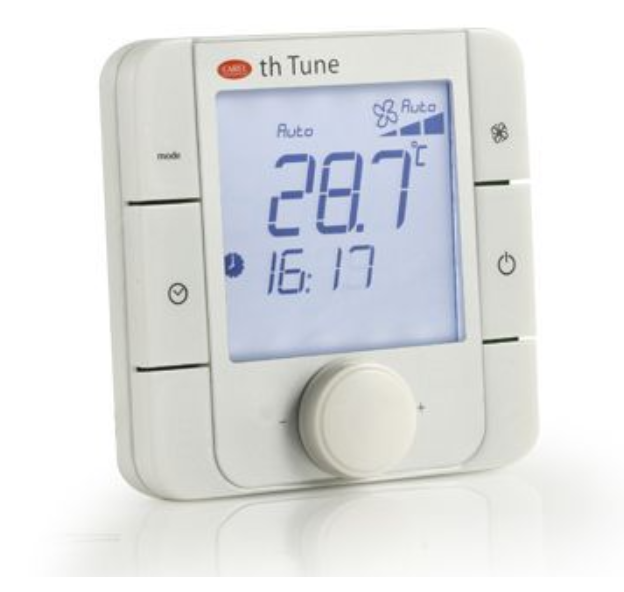
Smart HVAC Solutions for Small Businesses
For small businesses, managing energy costs and maintaining comfortable environments are essential for both customer satisfaction and employee productivity. A smart HVAC system offers an effective solution, providing energy-efficient climate control while adapting to the specific needs of small businesses. In this blog, we will explore the key benefits and features of smart HVAC solutions and how these systems can help small businesses thrive.
What is HVAC?
Before diving into the smart features of modern systems, it’s important to clarify what is HVAC. HVAC stands for Heating, Ventilation, and Air Conditioning, which encompasses the technology used to regulate temperature, airflow, and indoor air quality in buildings. HVAC systems are essential in both residential and commercial buildings, but for small businesses, finding the right system can be a game-changer in balancing comfort and efficiency.
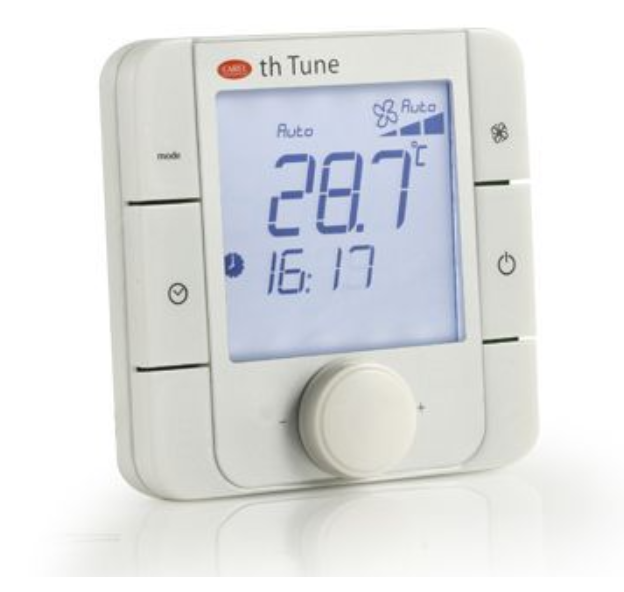
Discussing Smart HVAC Solutions
-
6 Dec
 Read more »
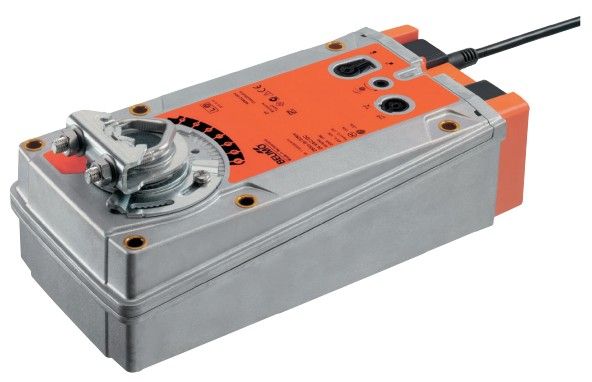
Understanding the Role of Actuators in HVAC Systems
Actuators are essential components of Heating, Ventilation, and Air Conditioning (HVAC) systems. They help control and regulate air flow, temperature, and pressure, playing a crucial role in ensuring the efficiency and functionality of the HVAC system. In this article, we will explore the role of actuators in HVAC systems, the different types available, and how they contribute to the overall performance of these systems in business environments.
How Do Actuators Work in HVAC Systems?
An actuator is a mechanical device that converts energy (typically electrical, hydraulic, or pneumatic) into motion. In an HVAC system, the actuator is responsible for controlling the opening and closing of valves, dampers, or other control devices that regulate airflow, temperature, and pressure within the system.
Actuators typically receive signals from a thermostat or control panel and then adjust the system components accordingly to maintain the desired
-
25 Oct
 Read more »
Top 5 Benefits of Smart HVAC Control Systems
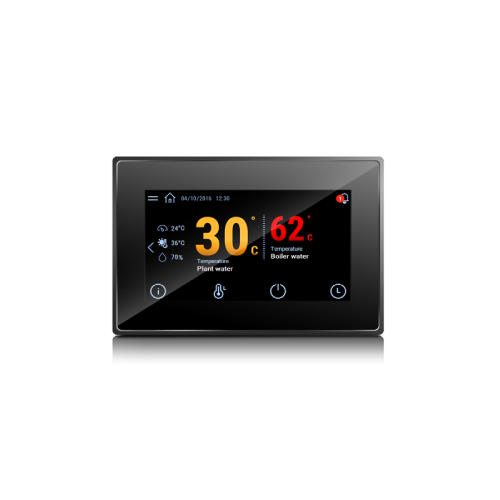
In today’s fast-paced business environment, energy efficiency and cost savings are vital considerations for companies seeking to streamline operations. One area where businesses are increasingly turning for optimisation is their HVAC systems. HVAC (Heating, Ventilation, and Air Conditioning) plays a crucial role in maintaining a comfortable and productive workplace, and with the advent of smart technology, it’s now easier than ever to enhance the efficiency and control of these systems. This article explores the top five benefits of smart HVAC control systems, demonstrating why businesses should invest in this intelligent technology.

Smart HVAC Control Systems
Before diving into the benefits, it’s essential to understand what HVAC systems are and how smart controls work. An HVAC system is designed to regulate indoor temperature and air quality by managing heating, ventilation, and air conditioning within a building. Traditional HVAC systems
-
27 Sep
 Read more »
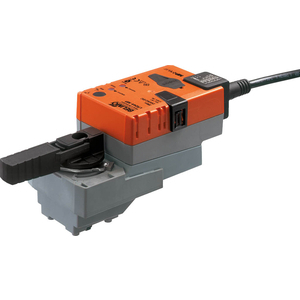
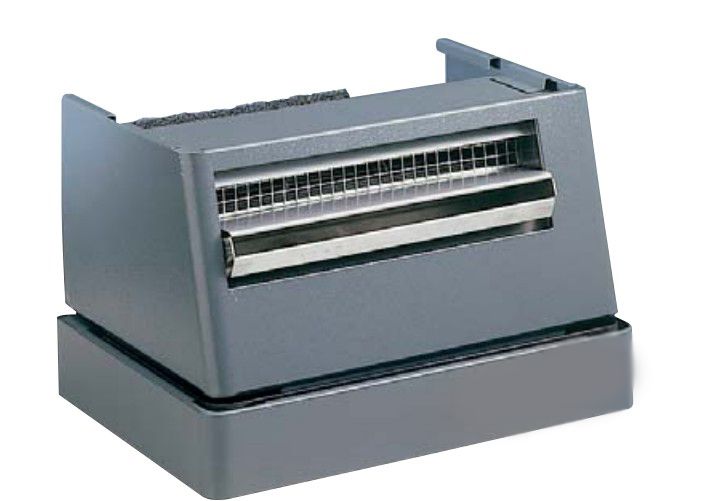
HVAC Spotlight on the Belimo LR24A-MP: Industry-Leading Actuator
Introduction
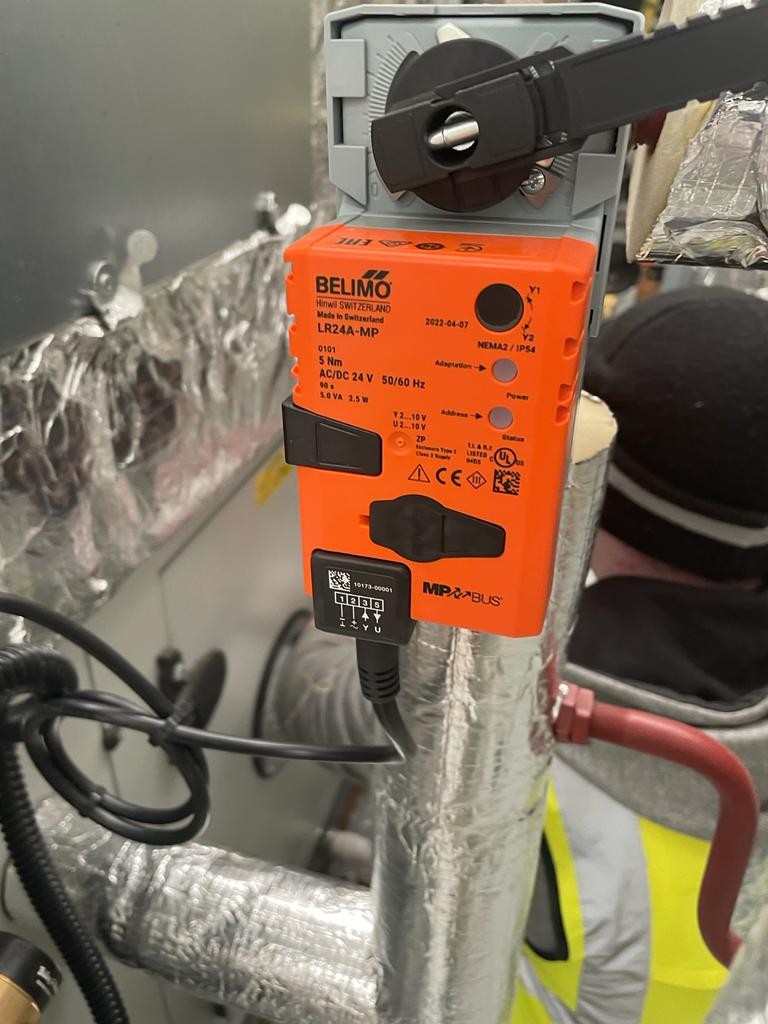
The Belimo LR24A-MP is a pivotal component in the HVAC industry, known for its efficiency, precision, and reliability. This rotary actuator is engineered to optimise the performance of heating, ventilation, and air conditioning systems, contributing significantly to energy management and building automation. The purpose of this blog post is to provide an in-depth exploration of the LR24A-MP's features, benefits, and diverse applications, showcasing why it stands out as an industry-leading actuator.
Product Overview
High-performance rotary actuators like the Belimo LR24A-MP are made especially for building management and HVAC applications. Its small size allows it to be used in cramped areas, and its precision control ensures improved system performance.
Key Specifications Include:
- Torque: 5 Nm
- Power Supply: AC/DC 24 V
- Control: MP-Bus and standard modulating control
- Degree of Protection: IP54
- Operating
-
20 Sep
 Read more »
HVAC Repair: Common Issues
Heating, Ventilation, and Air Conditioning (HVAC) systems are essential for maintaining a comfortable indoor environment. However, like any complex machinery, HVAC systems can develop issues over time. Understanding common HVAC repair problems and their solutions can help businesses address minor issues and know when to call in professionals.
Overview
Key points to remember about HVAC repair:
- Regular maintenance can prevent many common issues
- Some problems can be resolved with simple DIY solutions
- Professional HVAC repair services are often necessary for complex issues
- Costs for HVAC repair can vary widely depending on the problem
- Prompt attention to HVAC issues can prevent more expensive repairs later
5 Common Issues & How to Fix Them
1. Poor Airflow
Poor airflow is a common HVAC problem that can result in uneven heating or cooling.
Possible causes:
- Dirty air filters
- Blocked vents or ducts
- Faulty blower motor
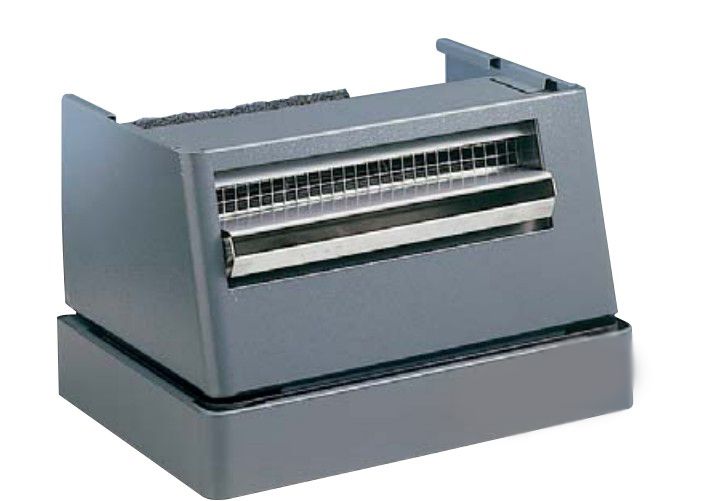
VRDXL00001- STEAM BLOWER VRDXL - Carel
DIY fix: -
30 Aug
 Read more »
HVAC Myths That Are Costing You Money
In today's energy-conscious world, understanding your HVAC (Heating, Ventilation, and Air Conditioning) system is crucial for maintaining a comfortable home environment while keeping costs under control. Unfortunately, many businesses operate under misconceptions about their HVAC systems, leading to unnecessary expenses and inefficiencies. This article aims to debunk common HVAC myths and provide insights into how you can save money while maintaining a comfortable indoor environment.
HVAC Control
Before we delve into the myths, let's briefly review what HVAC means and its importance:
- HVAC stands for Heating, Ventilation, and Air Conditioning
- An HVAC system is responsible for maintaining indoor air quality and temperature
- Proper HVAC maintenance is essential for energy efficiency and cost savings
- Understanding common myths can help you make informed decisions about your HVAC system
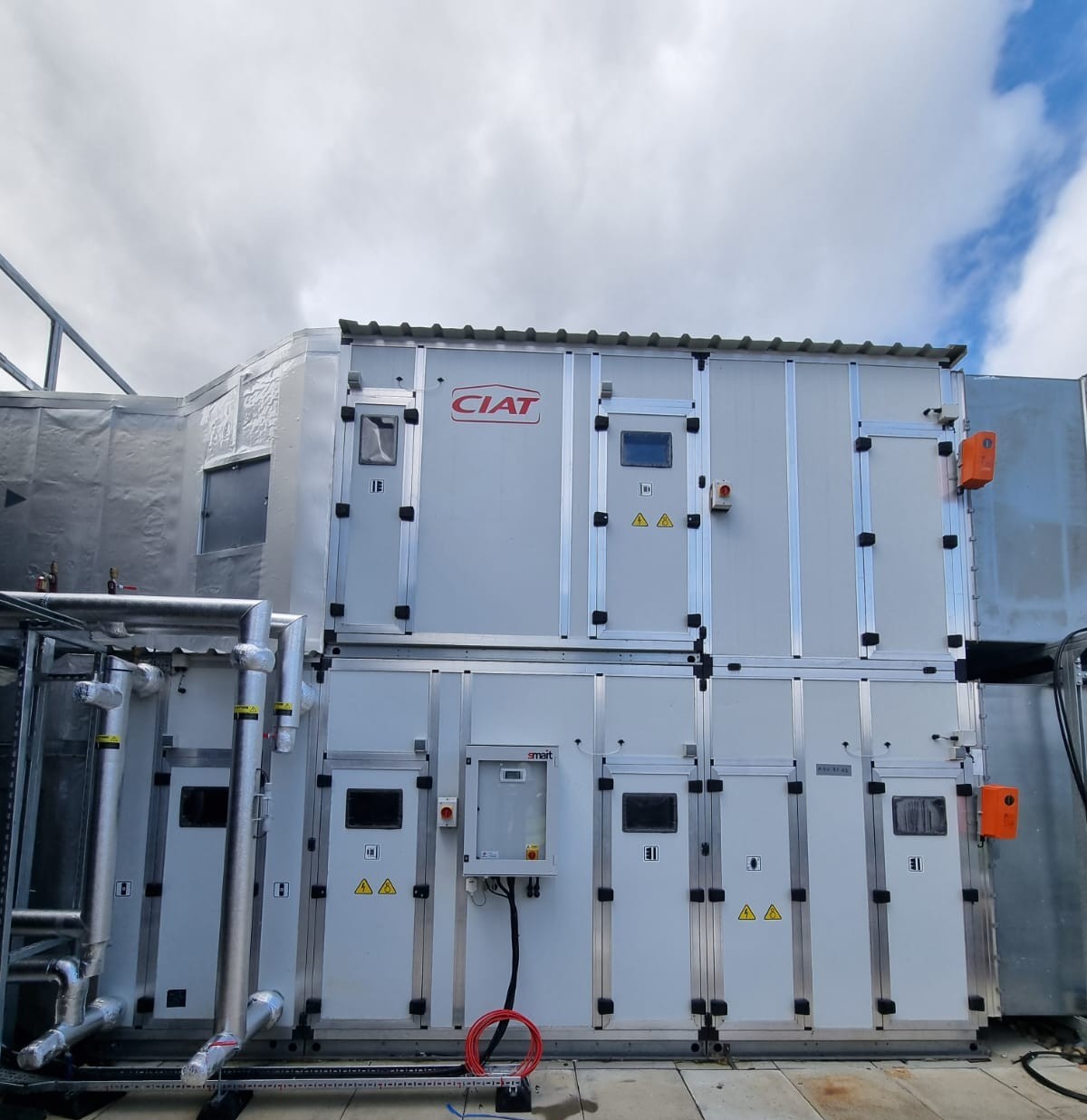
 (Commissioning of a Ciat Unit)
HVAC Top Tips:
- Regular HVAC maintenance
-
23 Aug
 Read more »
Protecting Your HVAC System
HVAC systems are crucial for maintaining a comfortable indoor environment throughout the year. As a vital component of any building, it's essential to understand how to protect and maintain your HVAC system to ensure its longevity and optimal performance. This article will explore various strategies to safeguard your HVAC system, with a focus on products and services available from IACS.
Safeguarding Your HVAC System
Understanding HVAC
Before diving into protection strategies, it's important to understand what HVAC means. HVAC stands for Heating, Ventilation, and Air Conditioning. This system is responsible for regulating indoor temperature, humidity, and air quality, ensuring a comfortable and healthy environment for occupants.
An HVAC system typically consists of several components, including:
- Heating units (furnaces, boilers, heat pumps)
- Cooling units (air conditioners, chillers)
- Ventilation systems (fans, ductwork)
- Control systems (thermostats, sensors)
- Air
Recent Posts
-
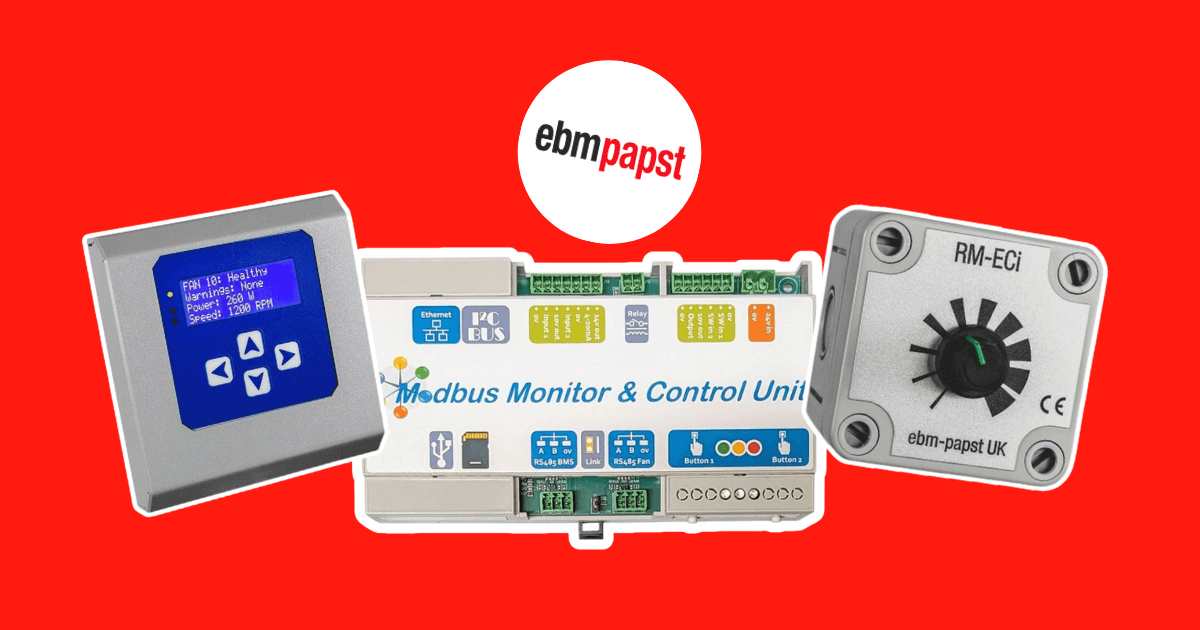
Smart Fan Control with EBM Papst IoT Modules & Gateways — Now Available at iACS
 January 22, 2026
 -
Simplify HVAC Configuration with the Rubix Controls Selection Tool
 December 12, 2025
 -
iACS Partners with EBM Papst: Expanding Our HVAC Parts Catalogue with Innovative Fan Control Solutions
 December 9, 2025
 -
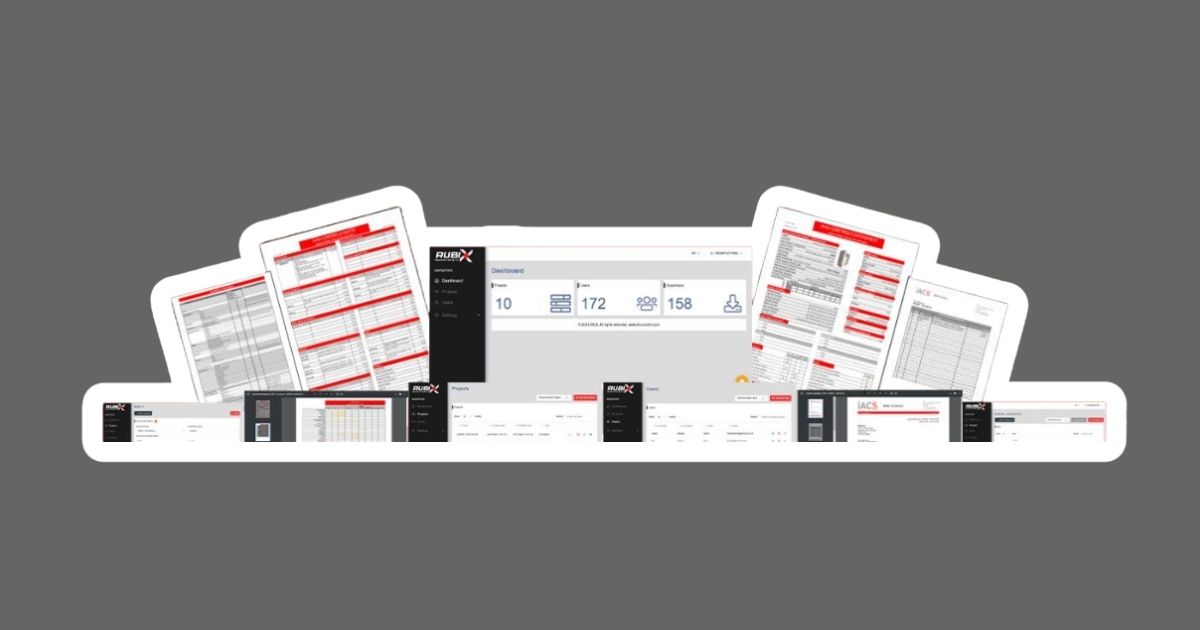
Revolutionising AHU Quoting with Rubix: The Free HVAC Quotation Tool
 December 3, 2025
 -
Optimise Airflow Control with EBM Papst Differential Pressure Sensors at iACS
 November 14, 2025