What Our Customers Are Saying
Top Commercial HVAC Systems for Businesses
7
Mar
Top Commercial HVAC Systems for Businesses
When it comes to maintaining a comfortable and productive environment, choosing the right commercial HVAC system is crucial for businesses. Efficient heating, ventilation, and air conditioning not only ensure optimal working conditions but also contribute to energy savings and reduced maintenance costs. In this guide, we explore the best commercial HVAC systems and their benefits.
What is HVAC?
HVAC stands for Heating, Ventilation, and Air Conditioning. It refers to the technology used to regulate indoor temperature, humidity, and air quality. Understanding HVAC meaning is essential for business owners looking to invest in a system that meets their operational needs.
Types of Commercial HVAC Systems
1.Single-Split System
- Ideal for small businesses, shops, and offices.
- Cost-effective and easy to install.
- Provides independent temperature control for each room.
2. Multi-Split System
- Similar to single-split but connects multiple indoor units to one outdoor unit.
- Saves space and enhances energy efficiency.
- Suitable for medium-sized businesses and multi-room offices.
3. Variable Refrigerant Flow (VRF) System
- Highly efficient and adaptable to different climate needs.
- Offers precise temperature control and zoning capabilities.
- Best suited for large commercial spaces, hotels, and multi-level buildings.
4. Rooftop Units (RTUs)
- Commonly used for large buildings and retail centres.
- Installed on rooftops to save indoor space.
- Provides heating and cooling in a single packaged unit.
5. Chilled Water Systems
- Uses water-cooled chillers to regulate air temperature.
- Recommended for industrial facilities and large office complexes.
- Requires professional HVAC repair and maintenance for long-term efficiency.
Choosing the Right Commercial HVAC System
Selecting the best HVAC system for your business depends on several factors:
- Building Size: Large spaces may require VRF or chilled water systems.
- Energy Efficiency: Opt for systems with high SEER (Seasonal Energy Efficiency Ratio) ratings.
- Budget: Consider installation costs and long-term savings.
- Climate Requirements: Different regions may require specific heating or cooling capabilities.
The Importance of Regular HVAC Maintenance
Once you've installed a commercial HVAC system, routine maintenance is essential to ensure optimal performance and longevity. Regular servicing helps:
- Prevent unexpected breakdowns and costly HVAC repair.
- Improve energy efficiency, reducing operational costs.
- Maintain indoor air quality, ensuring a healthy workplace.
Final Thoughts
Investing in the right commercial HVAC system enhances comfort, productivity, and energy savings. Whether you're running a small office or managing a large commercial facility, selecting the appropriate HVAC solutions tailored to your needs is key. To ensure maximum efficiency, regular maintenance and professional servicing are essential for long-term performance.
Looking for the best HVAC solutions? Consult an experienced provider to find the ideal system for your business needs.
Comment(s)
Recent Posts
-
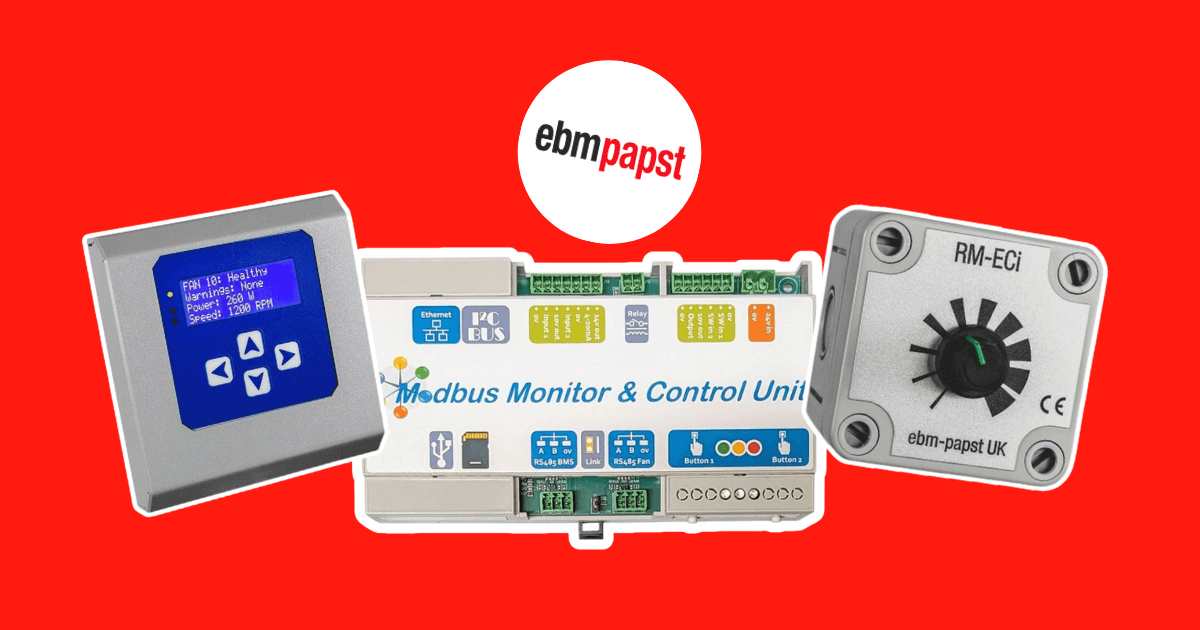
Smart Fan Control with EBM Papst IoT Modules & Gateways — Now Available at iACS
 January 22, 2026
 -
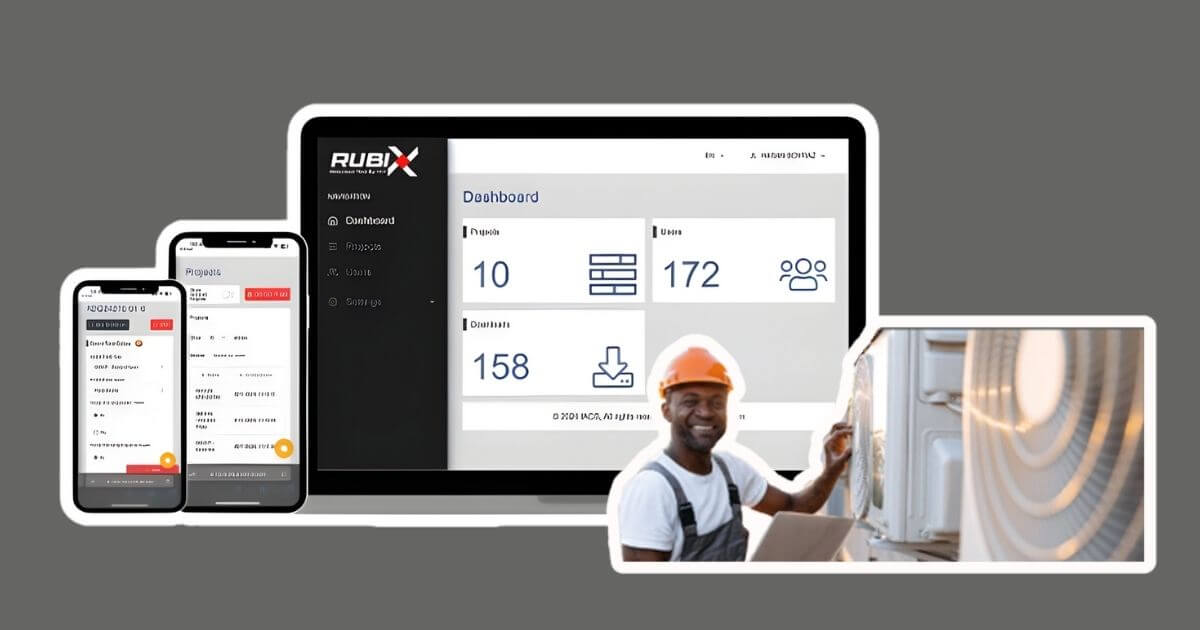
Simplify HVAC Configuration with the Rubix Controls Selection Tool
 December 12, 2025
 -
iACS Partners with EBM Papst: Expanding Our HVAC Parts Catalogue with Innovative Fan Control Solutions
 December 9, 2025
 -
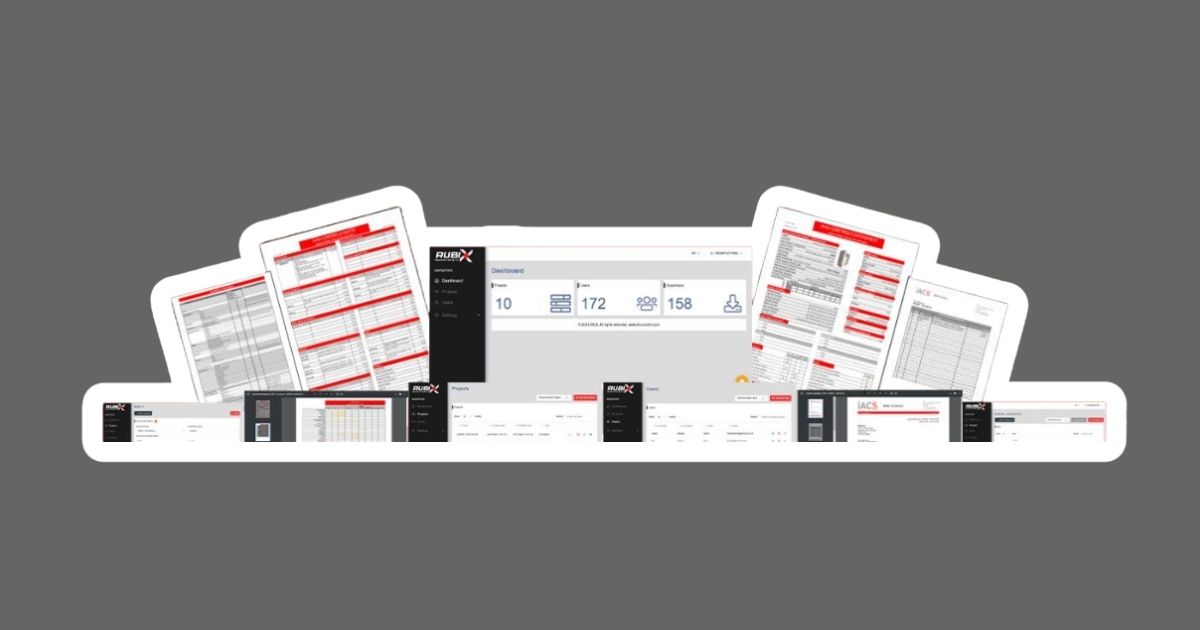
Revolutionising AHU Quoting with Rubix: The Free HVAC Quotation Tool
 December 3, 2025
 -
Optimise Airflow Control with EBM Papst Differential Pressure Sensors at iACS
 November 14, 2025