

What Our Customers Are Saying
protecting your hvac system
-
14 Mar
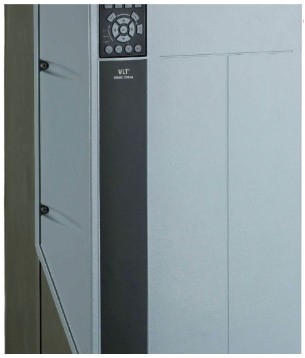 Read more »
Essential Tips for HVAC Maintenance
Regular HVAC maintenance is key to keeping your heating, ventilation, and air conditioning system running efficiently all year round. A well-maintained HVAC system ensures optimal performance, reduces energy costs, and extends the lifespan of the equipment. Whether you’re a homeowner or a business owner, these HVAC tips will help you prevent unexpected breakdowns and costly HVAC repair.
What is HVAC?
Before diving into maintenance tips, it’s important to understand what is HVAC. HVAC stands for heating, ventilation, and air conditioning. This system regulates indoor temperature, humidity, and air quality, ensuring a comfortable and healthy environment. Proper maintenance is crucial for maximising efficiency and preventing costly repairs.
Essential HVAC Maintenance Tips
1. Change Air Filters Regularly
Air filters trap dust, pollen, and other airborne particles, preventing them from circulating in your home or workplace. Over time, filters become clogged,
-
23 Aug
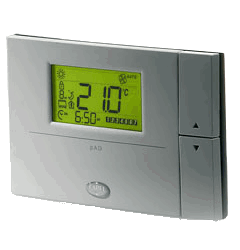 Read more »
Protecting Your HVAC System
HVAC systems are crucial for maintaining a comfortable indoor environment throughout the year. As a vital component of any building, it's essential to understand how to protect and maintain your HVAC system to ensure its longevity and optimal performance. This article will explore various strategies to safeguard your HVAC system, with a focus on products and services available from IACS.
Safeguarding Your HVAC System
Understanding HVAC
Before diving into protection strategies, it's important to understand what HVAC means. HVAC stands for Heating, Ventilation, and Air Conditioning. This system is responsible for regulating indoor temperature, humidity, and air quality, ensuring a comfortable and healthy environment for occupants.
An HVAC system typically consists of several components, including:
- Heating units (furnaces, boilers, heat pumps)
- Cooling units (air conditioners, chillers)
- Ventilation systems (fans, ductwork)
- Control systems (thermostats, sensors)
- Air
Recent Posts
-
Smart Fan Control with EBM Papst IoT Modules & Gateways — Now Available at iACS
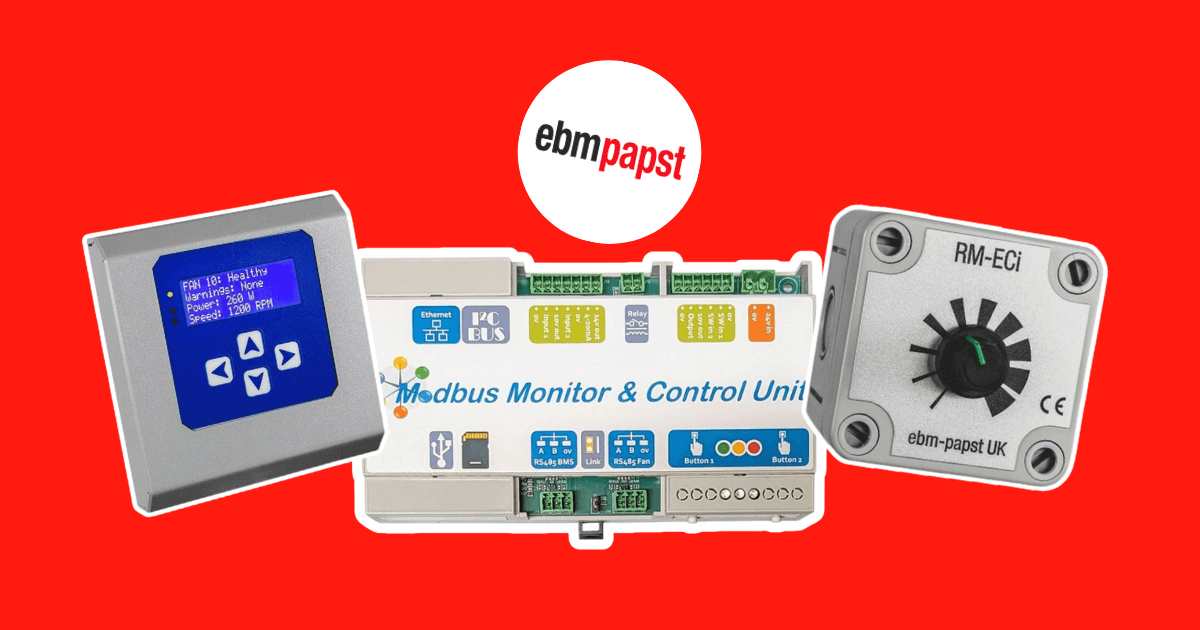 January 22, 2026
 -
Simplify HVAC Configuration with the Rubix Controls Selection Tool
 December 12, 2025
 -
iACS Partners with EBM Papst: Expanding Our HVAC Parts Catalogue with Innovative Fan Control Solutions
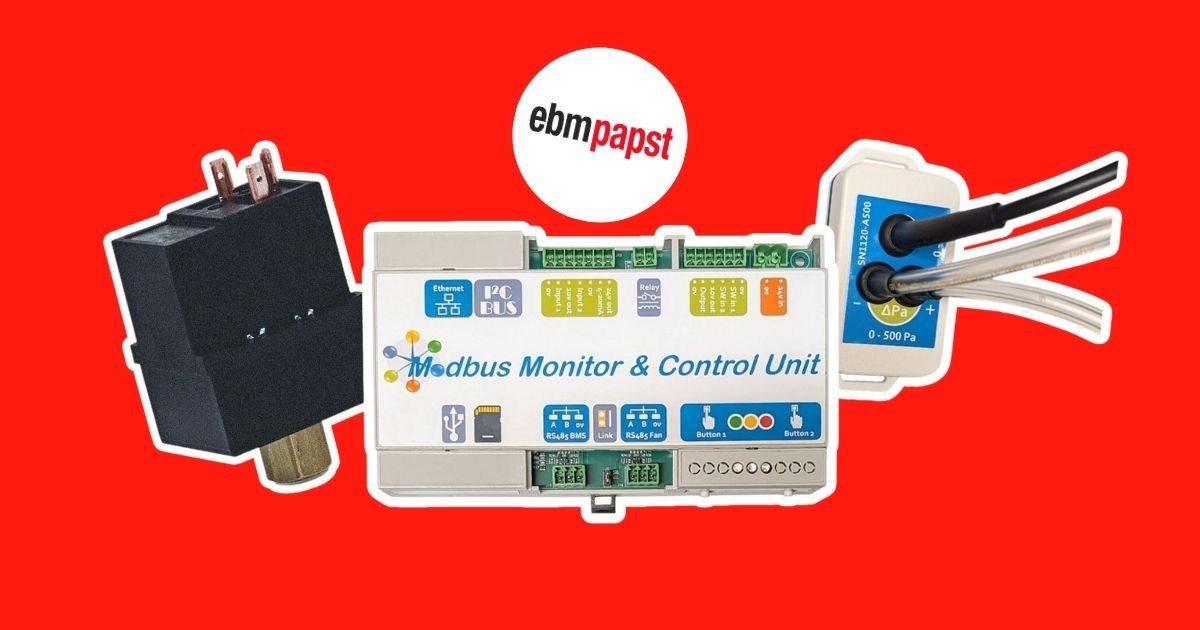 December 9, 2025
 -
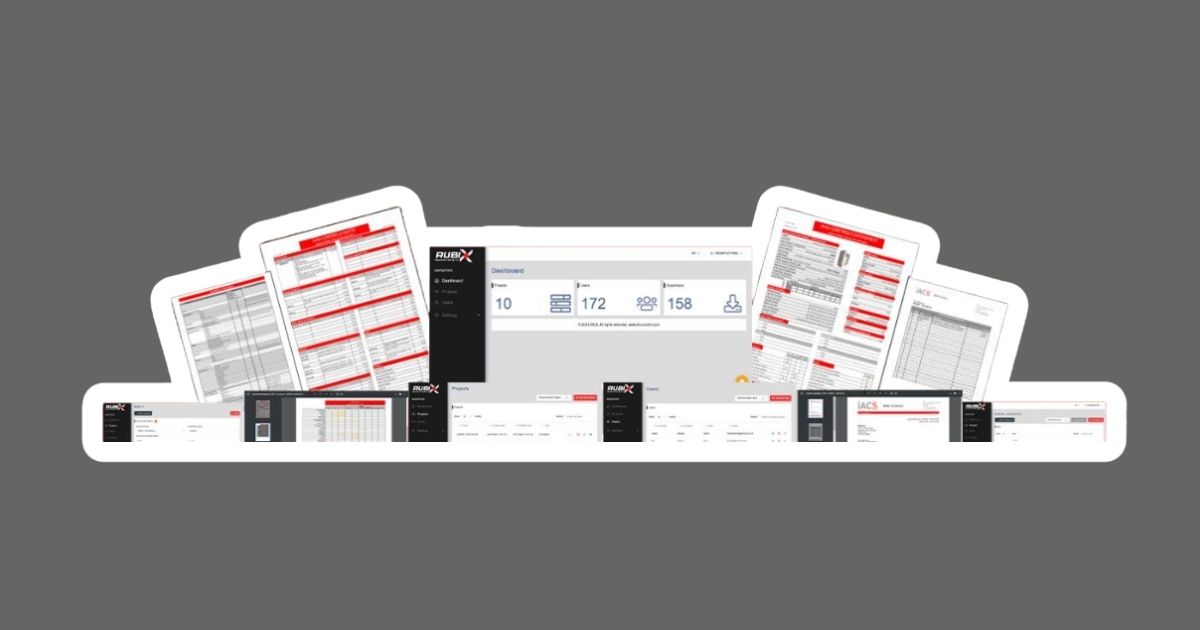
Revolutionising AHU Quoting with Rubix: The Free HVAC Quotation Tool
 December 3, 2025
 -
Optimise Airflow Control with EBM Papst Differential Pressure Sensors at iACS
 November 14, 2025