
What Our Customers Are Saying
Why Every Building Needs Room Sensors (Yes, Even Yours)
25
Jul
When you think about comfort and control in your building—whether that’s an office, school, retail space or even a warehouse—room sensors might not be the first thing that springs to mind. But at iACS, we’re here to tell you they should be.
Room sensors aren’t just small plastic boxes stuck to walls. They’re the frontline of building intelligence—quietly working in the background to ensure your HVAC system performs at its best. And whether you’re planning a new build or upgrading an existing system, it’s time to ask: are your spaces really working as efficiently as they could?
If not, the answer might lie in something as simple—and powerful—as a room sensor.
Put simply, room sensors are the building’s senses. Just as you rely on sight, smell and touch to respond to your surroundings, your HVAC system needs data to adjust temperature, humidity, airflow, and ventilation. That’s exactly what a room sensor provides.
Depending on the model, a room sensor can monitor:
- Temperature
- Humidity
- CO₂ levels
- Volatile organic compounds (VOCs)
- Occupancy or movement
All of this feeds directly into your control system—helping it make smarter decisions every moment of the day.
Here at iACS, we work with a wide range of professionals—contractors, facilities managers, designers and specifiers—across projects of all sizes. And one theme keeps cropping up: comfort and efficiency are no longer “nice-to-have.” They’re expected.
Room sensors are at the core of that expectation. Here’s why:
1. Precise Temperature Control
Without room sensors, HVAC systems tend to rely on centralised readings or time-based settings. That might be fine in theory, but in practice it leads to hotspots, cold corners, and complaints from occupants. By measuring the actual temperature in each room, a sensor ensures heating and cooling respond precisely to demand.
2. Better Indoor Air Quality
Poor air quality doesn’t just make people uncomfortable—it can actively reduce concentration, increase illness, and lead to complaints or even legal issues. Sensors that monitor CO₂, humidity and VOCs allow your system to adjust ventilation automatically, before anyone notices a problem.
3. Energy Efficiency
When your HVAC system only runs when it needs to, and only where it’s needed, you save money. Room sensors help avoid over-conditioning spaces—especially in buildings where occupancy varies throughout the day. That’s better for your budget and better for the planet.
4. Smart Building Compatibility
Modern buildings are getting smarter—and room sensors are essential to that transformation. Whether you’re integrating into a full BMS or simply want to futureproof your infrastructure, sensors provide the granular, real-time data that smart systems rely on.
5. Regulatory Compliance
Energy performance and indoor air quality standards are becoming more stringent across the UK and Europe. Room sensors provide a simple, effective way to meet documentation requirements and prepare for future changes in regulation.
Belimo & Siemens Sensors: Smart, Simple, and Trusted
We’ve built our reputation on supplying products that work reliably in real-world conditions. That means sourcing sensors that are easy to install, integrate smoothly with existing systems, and deliver long-term accuracy without constant recalibration.
Some of our most trusted options include:
Belimo Room Sensors
Known globally for their precision and build quality, Belimo sensors are a favourite among consultants and contractors alike. Designed for seamless integration with Belimo actuators and controllers, they provide accurate temperature, humidity, and CO₂ readings with sleek, unobtrusive designs.
These sensors are ideal for high-spec commercial builds, public buildings, and anywhere that requires uncompromising quality.
Siemens Room Sensors
Tailored to the needs of UK installers and engineers. These are practical, reliable units that come in a variety of configurations—temperature only, temp + humidity, or full indoor air quality monitoring.
Simple to wire, quick to mount, and competitively priced, they’re a great fit for both new installations and retrofits.
Explore the full range of room sensors at iACS store here
Where Should Room Sensors Be Installed?
Placement matters. Get it wrong, and even the best sensor will give misleading data. Some basic principles we advise:
- Mount temperature sensors on internal walls, away from windows or heat sources
- For air quality, install at breathing height in regularly occupied areas
- Avoid placing sensors near air vents, radiators, or equipment that generates heat
- Use multi-sensors in meeting rooms, classrooms, or spaces with variable occupancy
Still unsure? We’re always happy to offer guidance based on your building layout and control strategy.
Common Pitfalls—and How We Help You Avoid Them
Even experienced professionals can run into issues with sensor selection or configuration. Some of the problems we see:
- Sensors incompatible with existing control protocols
- Overlooking calibration needs for sensitive environments
- Using a sensor with a limited measurement range
- Installing in incorrect locations (e.g., directly opposite a window)
At iACS, we don’t just sell sensors. We help you specify the right product and troubleshoot any issues you might encounter. It’s all part of the service.
Real-World Results, Every Day
From office blocks in Birmingham to logistics hubs in Doncaster, Our store sensors are already helping clients improve control, reduce energy usage, and deliver more comfortable environments.
In one recent project, a client outfitted their multi-storey commercial building with Belimo room sensors in each tenant zone. The result? Energy use dropped by 18%, and tenant satisfaction went up thanks to better climate control.
In another, a warehouse installed air quality sensors linked to variable-speed ventilation. Workers now enjoy fresher air without the cost of round-the-clock extraction—saving thousands per year.
Your Building Deserves Better Data
If you’re still running a building based on assumptions, or relying on central thermostats to do the job of intelligent sensors, it’s time to rethink. Room sensors aren’t just another piece of kit—they’re a small investment that delivers big returns in comfort, efficiency and control.
And with iACS, you’ve got a partner who understands the bigger picture. From sensors to actuators, controllers to cabling—we’re here to support your HVAC success at every step.
Ready to Get Started?
Explore our full range of HVAC room sensors—including trusted models from Belimo, Siemens and many more brands—on our website today. Or if you need help choosing the right sensor for your system, just get in touch.
Visit www.i-acs.co.uk for expert advice, reliable stock, and everything you need to optimise your HVAC system.
Comment(s)
Recent Posts
-
Smart Fan Control with EBM Papst IoT Modules & Gateways — Now Available at iACS
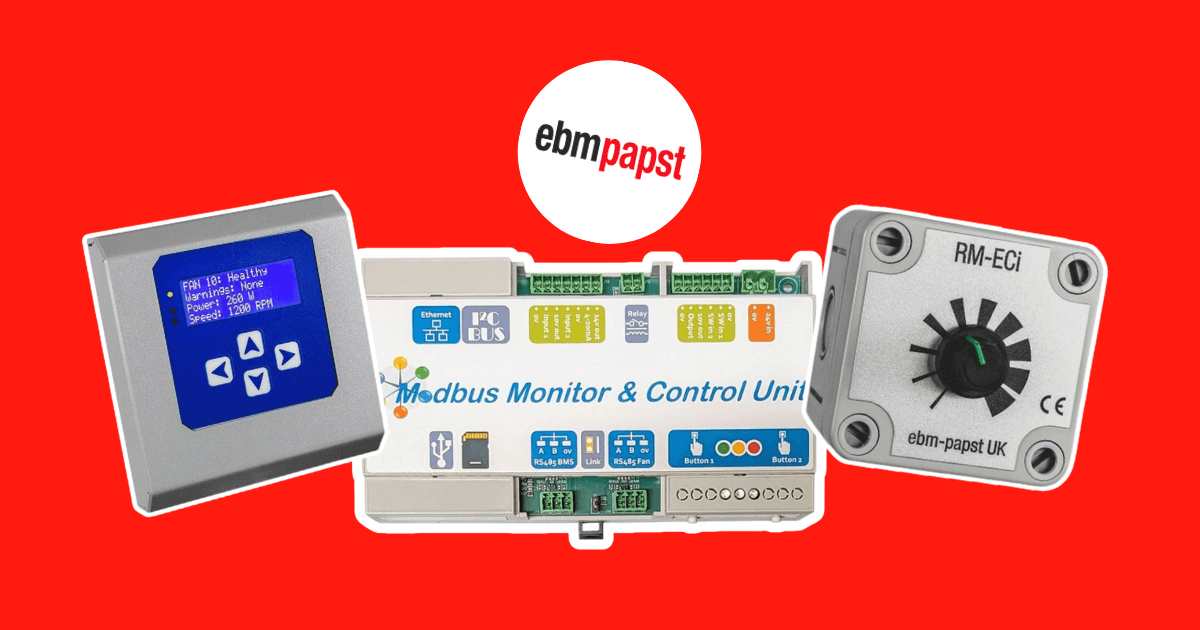 January 22, 2026
 -
Simplify HVAC Configuration with the Rubix Controls Selection Tool
 December 12, 2025
 -
iACS Partners with EBM Papst: Expanding Our HVAC Parts Catalogue with Innovative Fan Control Solutions
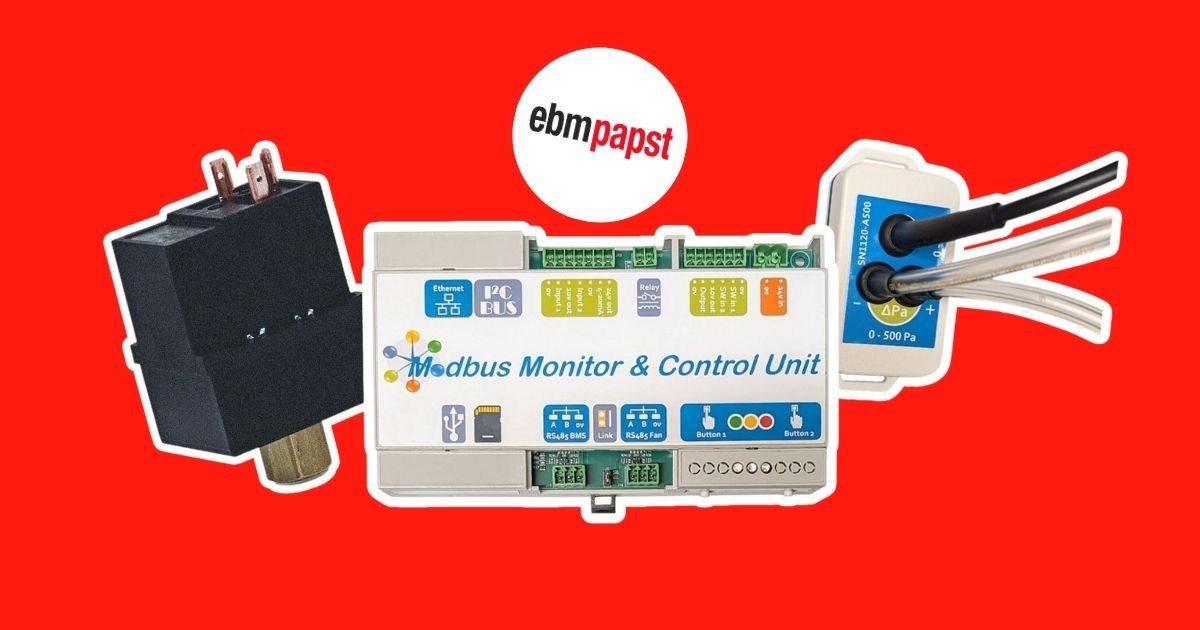 December 9, 2025
 -
Revolutionising AHU Quoting with Rubix: The Free HVAC Quotation Tool
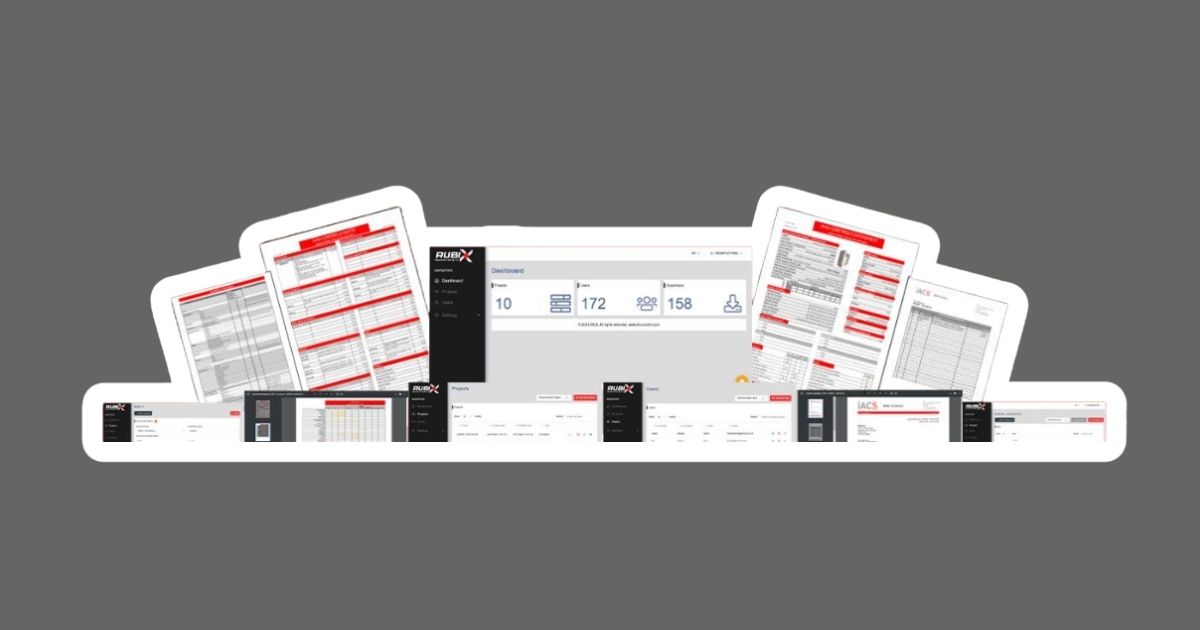 December 3, 2025
 -
Optimise Airflow Control with EBM Papst Differential Pressure Sensors at iACS
 November 14, 2025