
What Our Customers Are Saying
Understanding Temperature Sensors in HVAC
25
Apr
Understanding Temperature Sensors in HVAC
In modern heating, ventilation, and air conditioning (HVAC) systems, temperature sensors play a crucial role in maintaining comfort, efficiency, and energy savings. These sensors help regulate indoor environments by monitoring temperature fluctuations and ensuring the system responds appropriately. But what do temperature sensors do, how do temperature sensors work, and what types of temperature sensors are available? This guide explores everything you need to know about these essential HVAC components.
AX-RHT-03 - The Axio AX-RHT-3-x range of RH & T Transmitters provides accurate Relative Humidity and Temperature measurements, with selectable current or voltage analogue outputs. The units are extremely reliable, have excellent stability and a quick response time
What Do Temperature Sensors Do?
Temperature sensors in HVAC systems measure ambient temperature and send signals to the control unit, which adjusts heating or cooling accordingly. These sensors ensure that indoor spaces maintain a comfortable and energy-efficient climate by preventing temperature extremes and optimising system performance.
Without accurate temperature sensing, HVAC systems could overwork, leading to increased energy consumption and reduced equipment lifespan. Temperature sensors also play a vital role in maintaining air quality and protecting sensitive equipment in commercial and industrial settings.
How Do Temperature Sensors Work?
Temperature sensors operate by detecting heat energy and converting it into an electrical signal, which the HVAC system interprets. The sensor's mechanism varies depending on the type:
- Thermocouples generate a voltage that changes with temperature differences.
- Resistance Temperature Detectors (RTDs) alter electrical resistance in response to temperature changes.
- Thermistors work similarly to RTDs but with higher sensitivity to temperature fluctuations.
- Infrared Sensors detect thermal radiation to measure surface temperatures remotely.
These readings enable HVAC systems to make real-time adjustments, ensuring optimal performance and comfort levels.
Types of Temperature Sensors
Various types of temperature sensors are used in HVAC applications, each suited to specific requirements. Below are some of the most commonly used types:
1. Thermocouples
Thermocouples are widely used in HVAC systems due to their durability and ability to measure a wide range of temperatures. They consist of two different metal wires joined at one end, creating a small voltage that varies with temperature.
Pros:
- Fast response time
- Can measure high temperatures
- Durable and cost-effective
Cons:
- Less accurate than other sensors
- Requires calibration for precise readings
2. Resistance Temperature Detectors (RTDs)
RTDs are known for their accuracy and stability. They work by measuring resistance changes in metal (usually platinum) as the temperature changes.
Pros:
- Highly accurate and stable
- Long lifespan
- Suitable for precise temperature control
Cons:
- More expensive than thermocouples
- Slower response time
3. Thermistors
Thermistors are temperature-sensitive resistors that exhibit significant resistance changes with temperature fluctuations. They are often used in residential HVAC systems for quick temperature readings.
Pros:
- High sensitivity to temperature changes
- Small and cost-effective
- Ideal for short-range temperature monitoring
Cons:
- Not as durable as RTDs or thermocouples
- Limited temperature range
4. Infrared Temperature Sensors
Infrared sensors measure temperature without physical contact by detecting infrared radiation emitted by objects. These are often used in commercial HVAC systems for remote temperature monitoring.
Pros:
- No direct contact needed
- Quick response time
- Ideal for hard-to-reach areas
Cons:
- Can be affected by environmental factors like dust and humidity
- Higher cost compared to other sensors
Temperature and Humidity Sensors in HVAC
Apart from temperature sensors, temperature and humidity sensors play a critical role in maintaining indoor air quality. These sensors monitor moisture levels, preventing issues like mould growth, condensation, and dry air discomfort.
A combined temperature and humidity sensor ensures that HVAC systems maintain optimal humidity levels while regulating temperature, improving both comfort and system efficiency.
Choosing the Right Temperature Sensor for Your HVAC System
When selecting a temperature sensor for an HVAC system, several factors should be considered:
- Accuracy Requirements: RTDs offer higher accuracy, making them ideal for environments requiring precise temperature control.
- Response Time: Thermocouples and thermistors provide faster readings, making them suitable for applications that require quick adjustments.
- Environmental Conditions: Infrared sensors work best in areas where contact-based sensors may be impractical.
- Cost Considerations: Thermistors and thermocouples are more affordable than RTDs and infrared sensors.
- Application Type: Residential HVAC systems typically use thermistors, while industrial and commercial systems may require RTDs or thermocouples for greater accuracy and durability.
Common Issues and Troubleshooting Temperature Sensors
Despite their reliability, temperature sensors can experience malfunctions. Some common issues include:
- Sensor Drift: Over time, some sensors may lose accuracy. Regular calibration helps maintain precision.
- Wiring Problems: Faulty wiring or loose connections can cause inaccurate readings.
- Environmental Interference: Dust, humidity, and extreme temperatures may affect sensor performance. Proper placement and maintenance help mitigate these factors.
- Ageing Components: Sensors can degrade with time. Replacing old sensors ensures optimal performance.
Regular maintenance and system checks can help identify and resolve these issues before they affect HVAC efficiency.
The Future of Temperature Sensors in HVAC
Advancements in HVAC technology are leading to smarter and more efficient temperature sensors. Modern systems integrate IoT (Internet of Things) technology, allowing real-time remote monitoring and data-driven optimisations.
Some of the latest developments in temperature sensors include:
- Wireless and Smart Sensors: These sensors communicate with HVAC systems remotely, reducing installation complexity and improving flexibility.
- AI-Powered HVAC Controls: Artificial intelligence can analyse temperature sensor data to predict and adjust system performance.
- Self-Calibrating Sensors: These advanced sensors can automatically adjust their accuracy, minimising the need for manual calibration.
As HVAC technology continues to evolve, temperature sensors will play an even greater role in enhancing comfort, reducing energy consumption, and improving air quality.
Conclusion
Temperature sensors are essential components of any HVAC system, helping to maintain comfort, energy efficiency, and overall system performance. Understanding what temperature sensors do, how they work, and the different types available can help in selecting the right sensor for specific applications.
By integrating temperature and humidity sensors, ensuring proper maintenance, and keeping up with technological advancements, businesses and homeowners can maximise the efficiency of their HVAC systems. Whether you’re looking for an accurate RTD, a fast-response thermocouple, or an advanced wireless sensor, the right choice will ensure long-term reliability and comfort.
With ongoing innovations in HVAC solutions, temperature sensors are becoming more intelligent and efficient, contributing to smarter and more sustainable climate control systems.
Comment(s)
Recent Posts
-
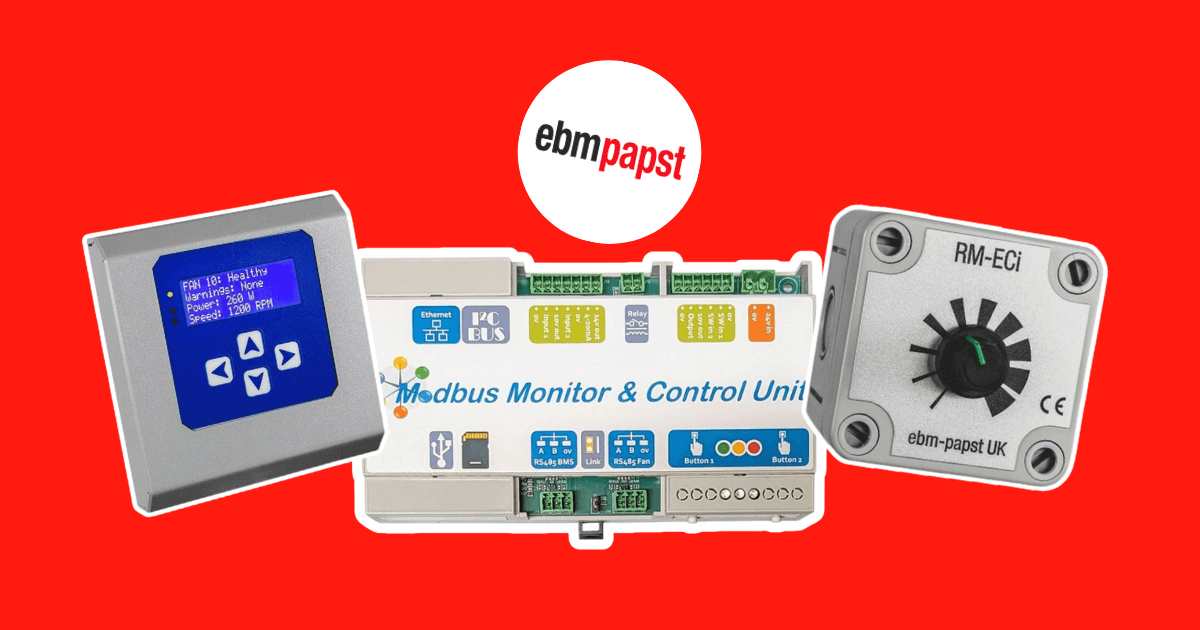
Smart Fan Control with EBM Papst IoT Modules & Gateways — Now Available at iACS
 January 22, 2026
 -
Simplify HVAC Configuration with the Rubix Controls Selection Tool
 December 12, 2025
 -
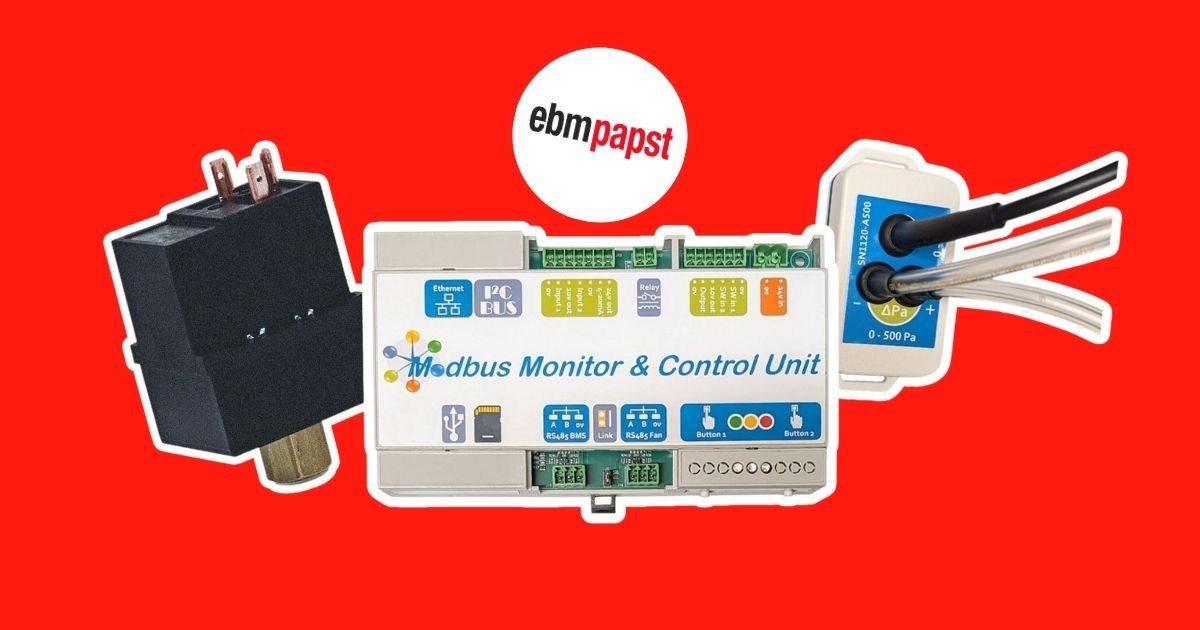
iACS Partners with EBM Papst: Expanding Our HVAC Parts Catalogue with Innovative Fan Control Solutions
 December 9, 2025
 -
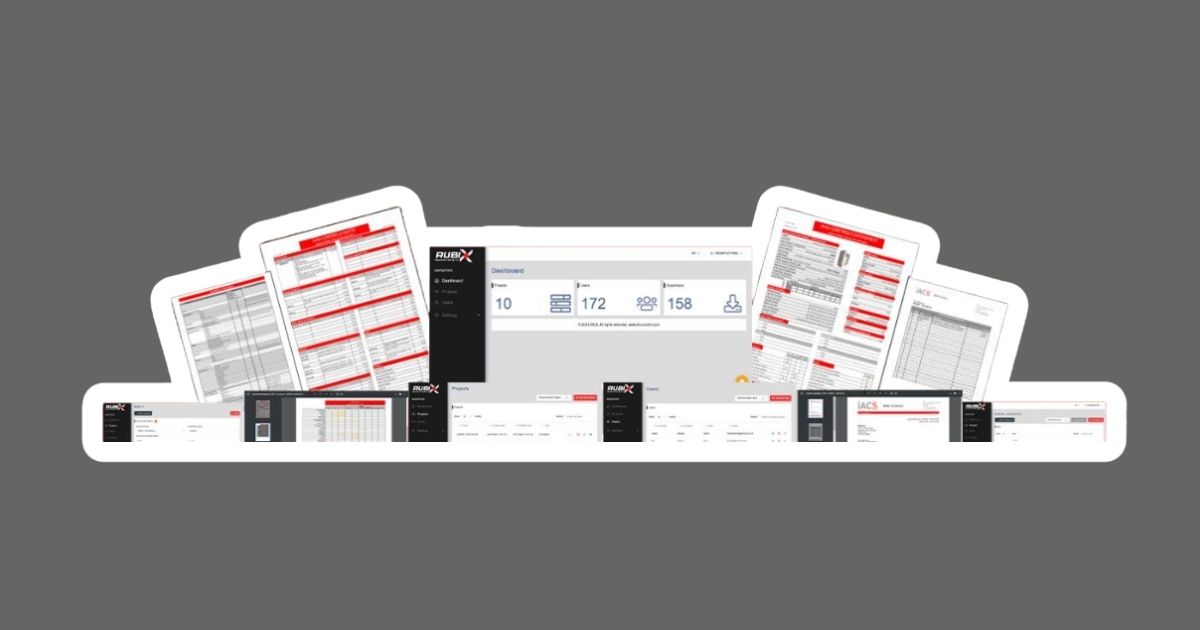
Revolutionising AHU Quoting with Rubix: The Free HVAC Quotation Tool
 December 3, 2025
 -
Optimise Airflow Control with EBM Papst Differential Pressure Sensors at iACS
 November 14, 2025