

What Our Customers Are Saying
Top-Rated Inverters for Energy Efficiency
25
Mar
Top-Rated Inverters for Energy Efficiency
Understanding Inverters and Their Role in Energy Efficiency
Inverters play a crucial role in energy efficiency, particularly in HVAC systems. These devices convert direct current (DC) into alternating current (AC), allowing electrical systems to operate more efficiently. By optimising power usage and reducing energy wastage, inverters contribute to lower electricity bills and improved system longevity.
If you are considering upgrading your HVAC system, choosing the right inverter can make a significant difference in performance and cost savings. In this article, we will explore how inverters work, the benefits of HVAC inverters, and review some of the top-rated inverters on the market, including Danfoss inverters.
How Do Inverters Work?
Inverters regulate the speed of electric motors by controlling the frequency of the electrical power supplied. Unlike traditional systems that operate at a constant speed regardless of demand, inverters adjust motor speed according to real-time needs. This results in optimised energy consumption, making HVAC inverters a highly efficient choice for commercial and industrial applications.
The key advantages of using inverters include:
- Energy Savings – By matching output to demand, inverters help reduce power wastage and lower utility costs.
- Extended Equipment Life – Reduced wear and tear on motors leads to longer system lifespan.
- Better Climate Control – HVAC inverters ensure precise temperature regulation, leading to improved comfort and efficiency.
- Lower Carbon Footprint – Reduced energy consumption means less environmental impact.
Top-Rated HVAC Inverters
1. Danfoss Inverters
Danfoss is a leading brand known for its innovative energy-efficient solutions. Danfoss inverters, including the Danfoss VLT and Danfoss FC series, are widely used in commercial and industrial HVAC systems. These inverters offer:
- Advanced motor control for optimised energy usage.
- Robust design ensuring durability in harsh environments.
- Integrated safety features that protect HVAC components.
Danfoss inverters are particularly well-regarded for their ease of integration with existing HVAC systems, making them a top choice for businesses looking to upgrade their energy efficiency.
Danfoss drives exclusively concentrate on applications for heating, cooling, and ventilation. Due to its broad list of powerful standard and extra features, The Drive delivers the lowest total cost of ownership.
2. ABB Inverters
ABB is a global leader in power and automation technologies, offering a comprehensive range of inverters designed to enhance energy efficiency across various applications. Their inverter portfolio includes solutions for solar power systems, enabling efficient conversion of solar energy into usable electricity. Additionally, ABB provides inverter duty motors, engineered to pair seamlessly with drives, optimising performance and reducing energy consumption in industrial settings.
This particular model - ACH580-01-206A-4 - IP55 Variable Frequency Drive 110 Kw Inverter has functionality for pumps and fans, such as pump and fan control. It includes unified height and depth, pipe cleaning, and filling features. It was built with an energy efficiency counter, an energy optimizer, and a load analyzer for the drive, motor, and process's optimal dimensioning. Additionally, a Flash Drop tool is included for quick parameter tuning.
3. Siemens Inverters
Siemens inverters are known for their high performance and advanced technology. Features of Siemens HVAC inverters include:
- High efficiency levels, reducing overall power consumption.
- Compatibility with a range of HVAC systems.
- Enhanced automation capabilities for seamless integration with smart building management systems.
G120P-0.75/35B - Siemens Variable Speed Drive G120P, FSA, IP55, Filter B, 0.75 kW | Siemens Inverter
Choosing the Right Inverter for Your Needs
Selecting the best inverter for your HVAC system depends on several factors:
- System Size – Larger systems require more robust inverters with higher power ratings.
- Energy Efficiency Goals – Look for inverters with high efficiency ratings to maximise cost savings.
- Compatibility – Ensure the inverter integrates smoothly with your existing HVAC setup.
- Budget Considerations – While high-end inverters offer advanced features, cost-effective models can still provide significant benefits.
Conclusion
Investing in a high-quality inverter can significantly enhance the efficiency and performance of your HVAC system. Whether you choose a Danfoss, ABB, or Siemens inverter, ensuring the right fit for your needs is essential for maximising energy savings and system longevity.
By understanding how inverters work and reviewing the top-rated options, you can make an informed decision that benefits both your business and the environment.
Comment(s)
Recent Posts
-
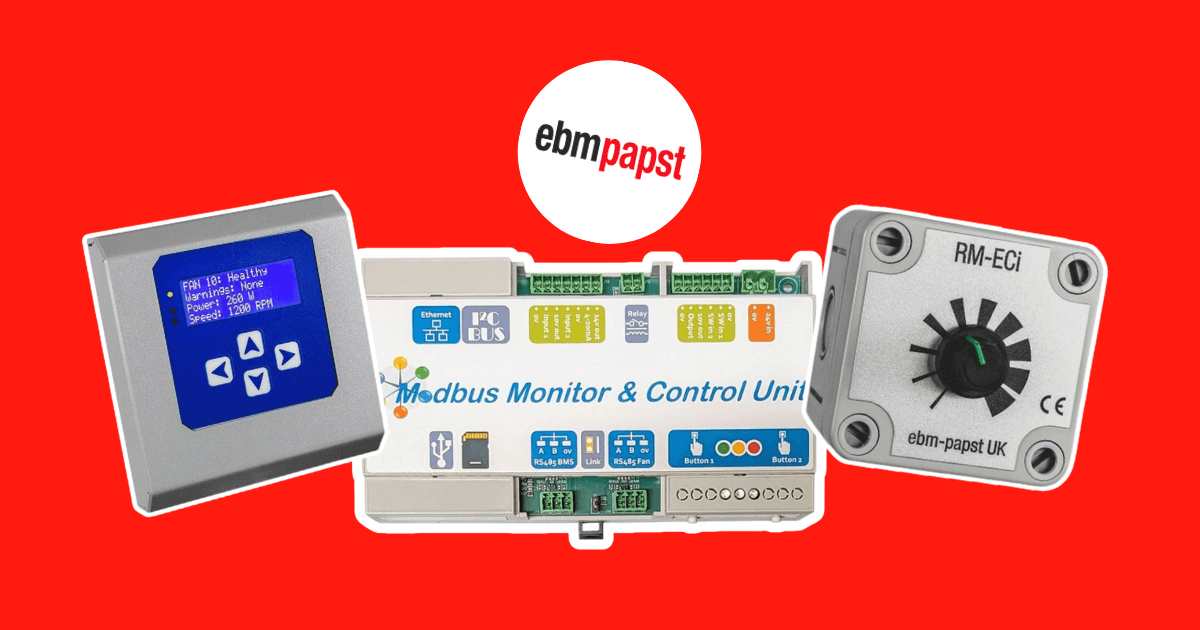
Smart Fan Control with EBM Papst IoT Modules & Gateways — Now Available at iACS
 January 22, 2026
 -
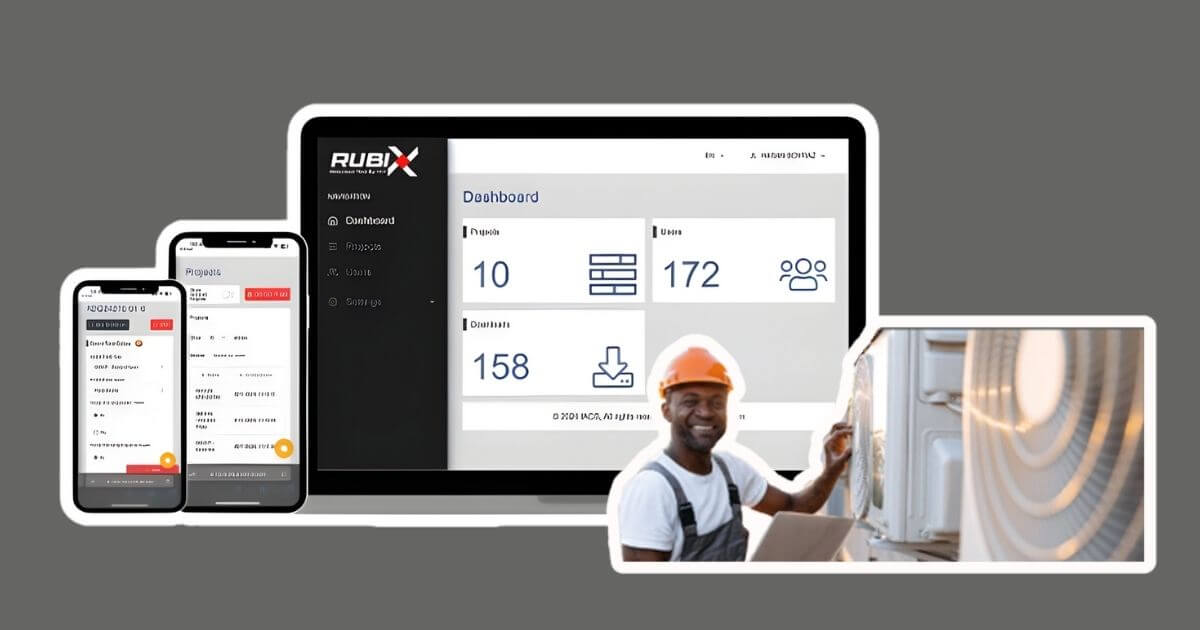
Simplify HVAC Configuration with the Rubix Controls Selection Tool
 December 12, 2025
 -
iACS Partners with EBM Papst: Expanding Our HVAC Parts Catalogue with Innovative Fan Control Solutions
 December 9, 2025
 -
Revolutionising AHU Quoting with Rubix: The Free HVAC Quotation Tool
 December 3, 2025
 -
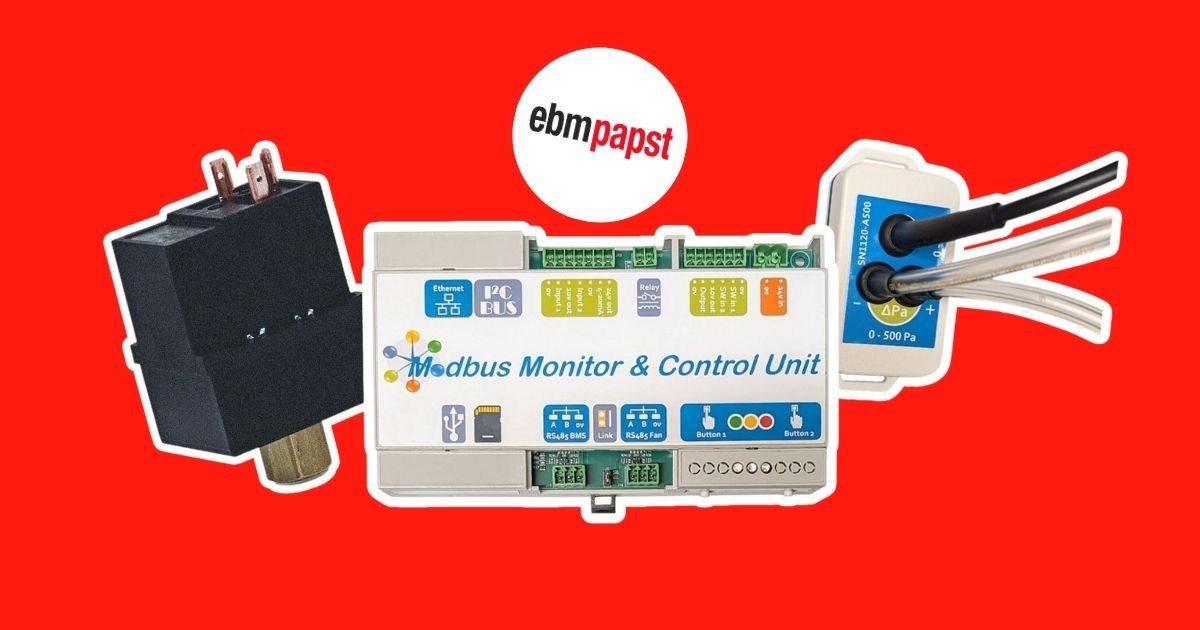
Optimise Airflow Control with EBM Papst Differential Pressure Sensors at iACS
 November 14, 2025