
What Our Customers Are Saying
Air Handling Unit: Enhancing Indoor Air Quality and Energy Efficiency
27
Jun
Air Handling Unit: Enhancing Indoor Air Quality and Energy Efficiency
When it comes to maintaining a healthy, comfortable, and energy-efficient indoor environment, the air handling unit (AHU) plays a central role. But what is an air handling unit, and why is it so crucial in residential, commercial, and industrial buildings?
Understanding how AHUs function and their key components can help property owners and facility managers make informed decisions about their indoor climate systems.
What is an Air Handling Unit?
To put it simply, what is an air handling unit? An AHU is a device used to regulate and circulate air as part of a heating, ventilation, and air conditioning (HVAC) system.
Typically located in dedicated plant rooms, rooftops, or basements, AHUs work by drawing in outside air, conditioning it (cooling, heating, filtering), and distributing it throughout a building via ductwork.
Air handling units are critical for ensuring consistent indoor air quality and temperature, particularly in environments that require precise climate control, such as hospitals, office buildings, and manufacturing facilities.
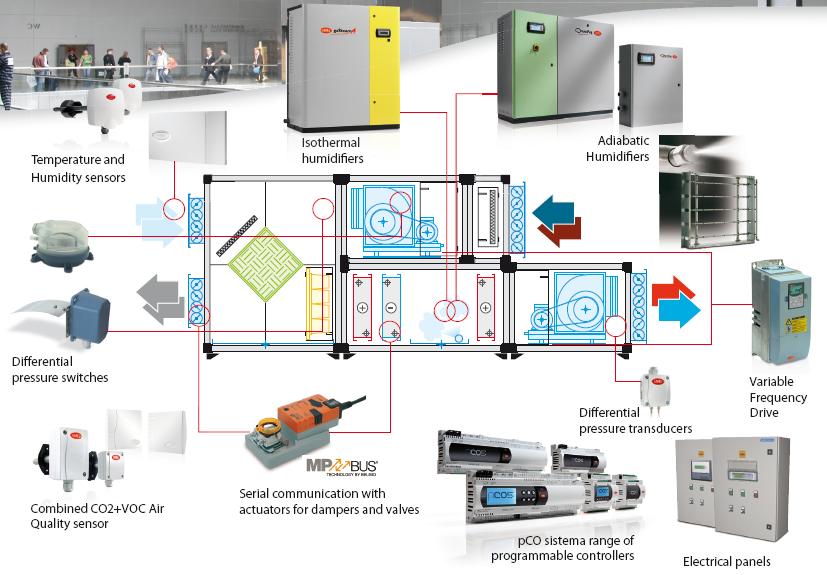
Air Handling Unit Components:
Understanding the air handling unit components is key to appreciating how the system operates. While configurations vary based on application, most AHUs consist of:
- Filters: Remove dust, allergens, and other airborne particles to improve air quality.
- Heating/Cooling Coils: Condition the air to the desired temperature using hot water, chilled water, or refrigerants.
- Blower/Fan: Moves the air through the unit and into the ductwork.
- Humidifier/Dehumidifier: Regulates indoor humidity levels for added comfort and health.
- Mixing Chamber: Combines return air with fresh outside air for efficient conditioning.
- Dampers: Control airflow within the unit and ducting system.
Each of these components works together to ensure the air circulated throughout the building is clean, well-conditioned, and delivered efficiently.
Energy Efficiency and Indoor Air Quality
An efficiently operated air handling unit can significantly improve energy performance while maintaining high indoor air quality.
For example, high-efficiency filters can trap finer particles without restricting airflow, and variable-speed fans can adjust to meet real-time demand, reducing unnecessary energy use.
Properly maintained AHUs also reduce the risk of airborne contaminants, mould growth, and unpleasant odours, creating a healthier environment for building occupants.
Air Handling Unit Cost
The air handling unit cost varies widely depending on size, specification, and application. Small, single-zone residential AHUs may cost a few thousand pounds, while larger commercial units with advanced control systems, heat recovery options, and bespoke configurations can exceed £20,000 or more. It’s important to factor in not only the initial purchase cost but also installation, energy consumption, and ongoing maintenance when budgeting for an AHU.
Final Thoughts
So, what is an air handling unit? It’s the heart of any modern HVAC system, ensuring clean, comfortable, and energy-efficient airflow throughout a building.
Understanding air handling unit components and the air handling unit cost can help you choose a system that balances performance, indoor air quality, and operational efficiency.
Whether you're managing a commercial building or upgrading a residential system, a well-designed AHU is an investment in both comfort and sustainability. Contact us.
Comment(s)
Recent Posts
-
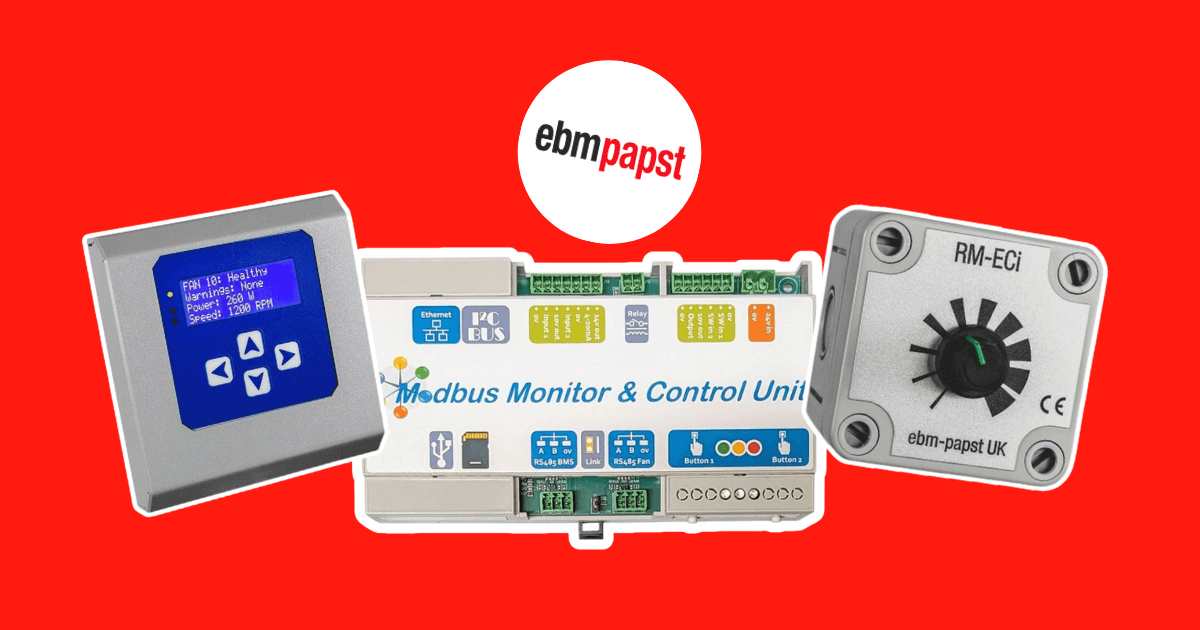
Smart Fan Control with EBM Papst IoT Modules & Gateways — Now Available at iACS
 January 22, 2026
 -
Simplify HVAC Configuration with the Rubix Controls Selection Tool
 December 12, 2025
 -
iACS Partners with EBM Papst: Expanding Our HVAC Parts Catalogue with Innovative Fan Control Solutions
 December 9, 2025
 -
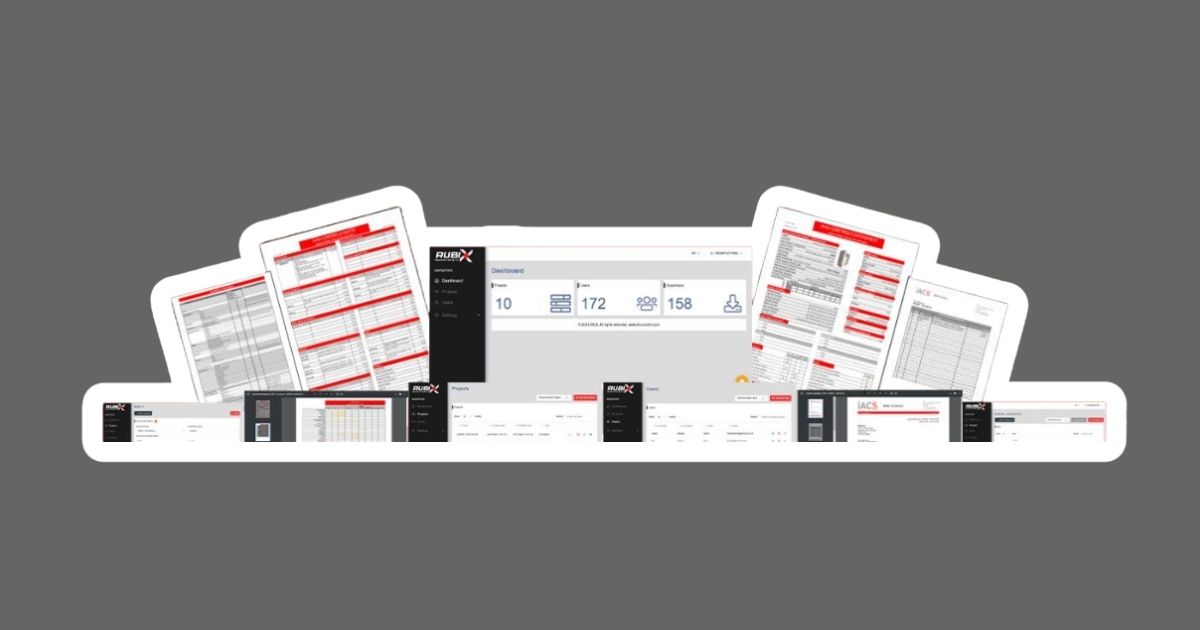
Revolutionising AHU Quoting with Rubix: The Free HVAC Quotation Tool
 December 3, 2025
 -
Optimise Airflow Control with EBM Papst Differential Pressure Sensors at iACS
 November 14, 2025